
What Are Orthotics? A Practical Guide
September 17, 2026
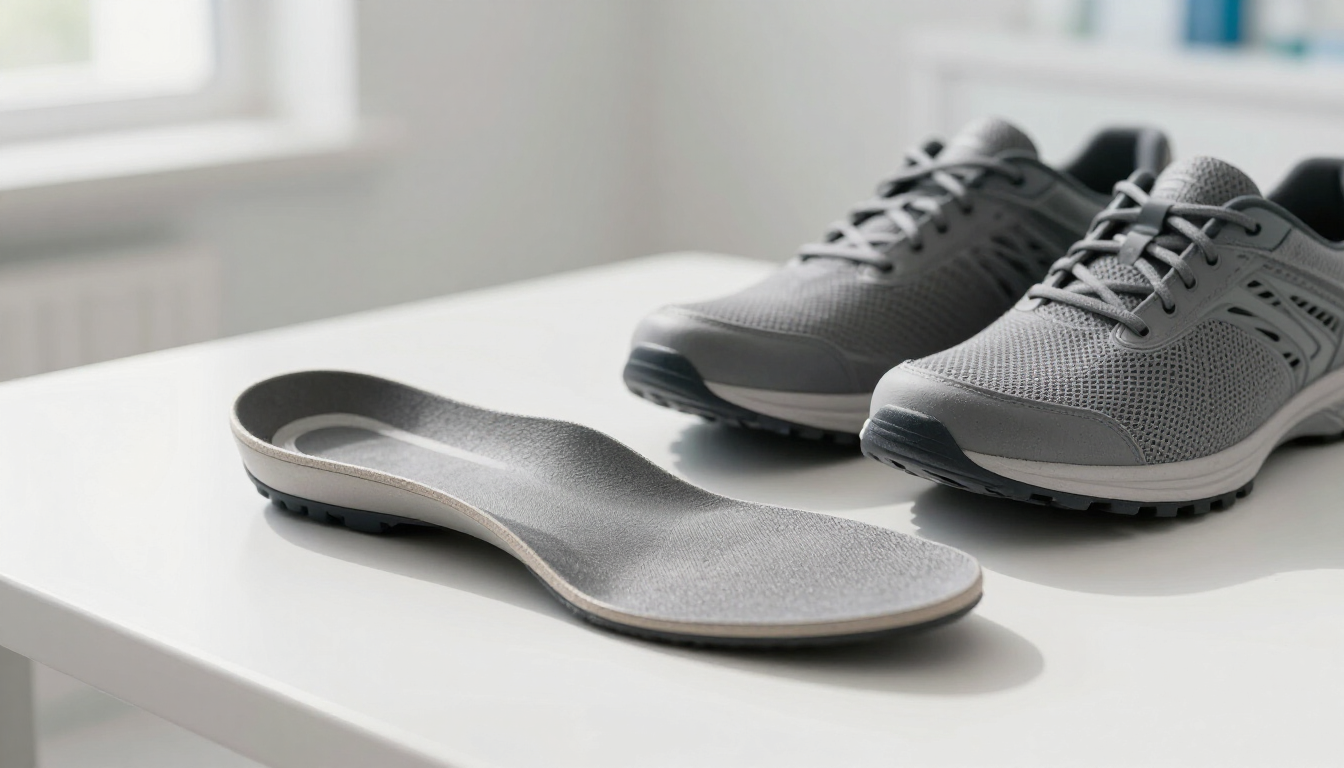
Orthotics are supportive inserts placed inside shoes to improve foot alignment, distribute pressure, and reduce strain on the feet, ankles, knees, or lower back. They may be purchased over the counter or prescribed as custom orthotics after a professional assessment. The right option depends on your symptoms, structure, activity, and footwear.
What are orthotics?
Orthotics are devices designed to support or guide the way your feet move. They sit inside your shoes and can help manage problems caused by uneven pressure, poor alignment, limited mobility, or repeated stress.
Some people use orthotics for a specific condition, such as plantar fasciitis. Others need support because of changes related to age, previous injuries, work demands, sports, or naturally flat or high-arched feet.
Orthotics do not simply “cushion” the foot. Depending on their design, they may:
- Support the arch
- Improve heel and foot alignment
- Reduce pressure beneath sensitive areas
- Limit excessive rolling of the foot
- Improve comfort during walking or standing
If foot pain is affecting your routine, you can learn more about Orvitz Podiatry’s orthotics services or explore the full range of podiatry services available in St. Catharines.
Who can benefit from orthotics?
Orthotics may help adults over 30 who experience recurring foot discomfort or fatigue, especially when symptoms appear during walking, work, exercise, or prolonged standing. They can be considered for people with:
- Heel or arch pain
- Flat feet or high arches
- Bunions or pressure points
- Ankle instability
- Foot pain after an injury
- Uneven shoe wear
- Pain that travels from the feet into the knees, hips, or back
They may also support people whose jobs require many hours on their feet. However, orthotics are not automatically the best choice for every person or every type of pain. A proper assessment helps identify whether the issue is related to foot mechanics or needs another form of care.
For example, heel pain may be associated with plantar fasciitis , while changes in sensation or skin health may require guidance for diabetic foot care .
How do orthotics help foot pain?
Orthotics can change how pressure and force move through the feet when you stand and walk. By supporting areas that need assistance, they may reduce overload on irritated tissues and make movement more comfortable.
The benefit is usually gradual rather than instant. Your feet and legs may need time to adapt to a new device. Orthotics work best when they are matched to your needs and worn in suitable shoes.
They may help by:
- Improving the distribution of weight across the sole.
- Supporting the arch without forcing it into an uncomfortable position.
- Reducing repeated stress on the heel or forefoot.
- Helping the foot and ankle work more efficiently.
- Making everyday activities easier to tolerate.
Orthotics cannot correct every source of pain, and they should not be expected to replace treatment for an injury, infection, or medical condition. Persistent, worsening, or severe symptoms deserve professional evaluation.
Custom orthotics versus over-the-counter inserts
Over-the-counter inserts are mass-produced in standard sizes and shapes. They can be useful for mild discomfort, extra cushioning, or temporary support. They are generally less expensive and easy to replace.
Custom orthotics are designed around an individual’s foot structure, symptoms, activity level, and footwear. They may offer more specific support when pain is persistent, when one foot differs from the other, or when standard inserts do not provide enough relief.
Quick comparison
| Feature | Over-the-counter inserts | Custom orthotics | |---|---|---| | Design | Standard shape and size | Individualized design | | Cost | Usually lower | Usually higher | | Best for | General cushioning or mild support | Specific or ongoing concerns | | Adjustability | Limited | Can often be reviewed or modified | | Assessment | May not require one | Professional assessment is recommended |
The most suitable choice depends on your symptoms and goals, not just price. A podiatry assessment can help you avoid choosing an insert that feels supportive at first but places pressure in the wrong area.
What happens during an orthotics assessment?
An assessment typically begins with a discussion about your symptoms, health history, footwear, work, exercise, and activities that make the pain better or worse. The podiatrist may then examine your feet, ankles, legs, and walking pattern.
Depending on your needs, the assessment may consider:
- Foot shape and arch profile
- Joint movement and flexibility
- Muscle strength and balance
- Areas of tenderness or excess pressure
- Standing and walking alignment
- The shoes you wear most often
The goal is not simply to provide an insert. It is to understand why discomfort is occurring and whether orthotics are an appropriate part of your care plan. In some cases, footwear changes, stretching, strengthening, activity adjustments, or another treatment may be recommended instead or alongside orthotics.
How long does it take to get used to orthotics?
Most people benefit from introducing new orthotics gradually. Begin with shorter periods, such as one or two hours, and increase wear time as your feet adjust. Avoid wearing them all day immediately unless your provider gives different instructions.
Mild awareness or muscle fatigue can occur during the adjustment period. Significant pain, numbness, blistering, or worsening symptoms is not something to ignore. Remove the orthotics and contact your podiatry provider if these problems continue.
For the best results:
- Use shoes with enough room for the orthotics.
- Follow the recommended break-in schedule.
- Keep track of changes in pain or comfort.
- Bring your usual shoes to appointments when possible.
- Return for review if the fit or symptoms are not improving.
How should you choose shoes for orthotics?
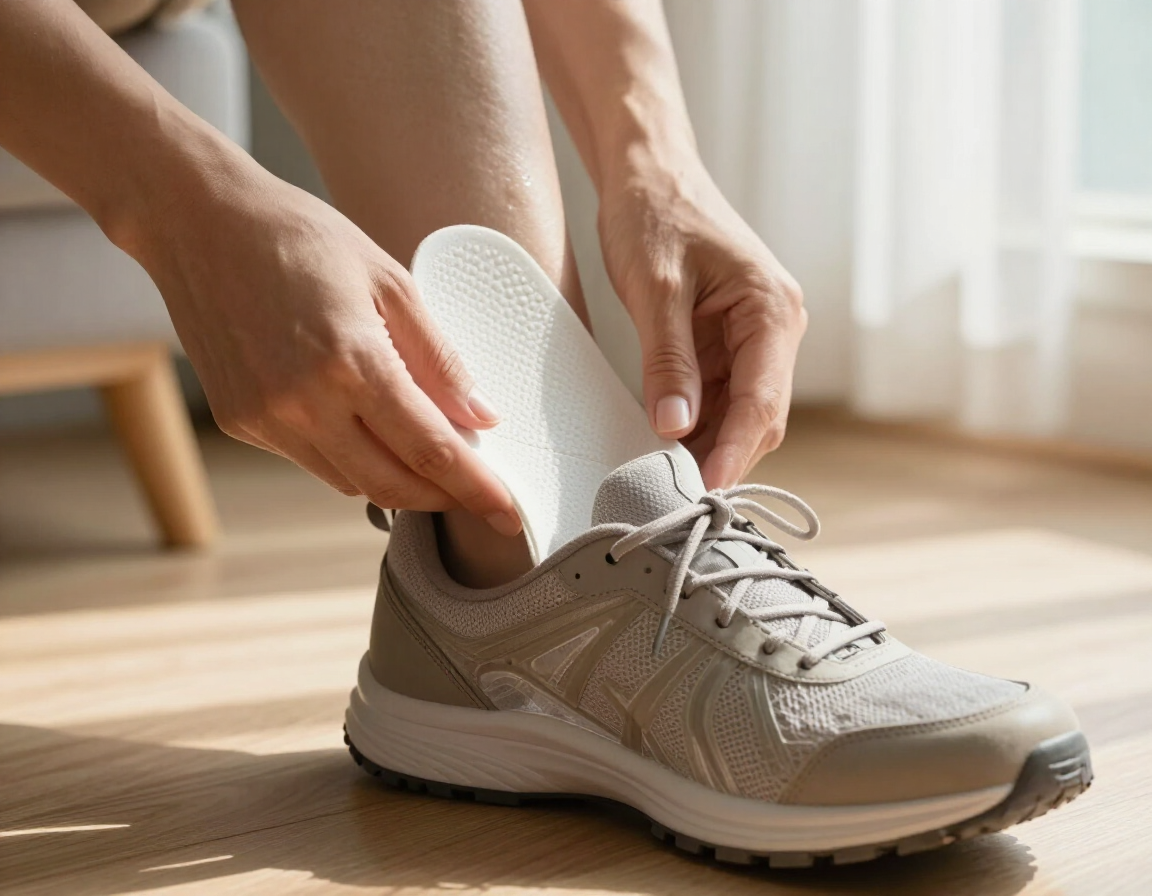
A good shoe should hold the foot securely and leave enough room for both the foot and the insert. The shoe should not force your toes together or allow the heel to slip excessively.
Look for:
- A firm, comfortable heel counter
- Adequate toe room
- A removable insole, when possible
- A stable sole suited to your activities
- Fastenings such as laces or adjustable straps
Bring the shoes you wear most often when discussing orthotics. An insert that fits one pair may not fit another, particularly dress shoes, work boots, or athletic footwear.
Common questions about orthotics
Are orthotics only for athletes?
No. Orthotics can be useful for people who stand or walk for work, manage household activities, or simply want to reduce recurring foot strain. The need for support is based on symptoms and foot function, not athletic ability.
Can orthotics help plantar fasciitis?
They may help reduce strain on the tissues under the foot by improving pressure distribution and support. Orthotics are often considered alongside other care, such as activity modification, stretching, footwear changes, and professional guidance.
Do orthotics last forever?
No. Their lifespan depends on materials, body weight, activity, shoe use, and changes in your feet. Worn materials, cracking, loss of support, or returning symptoms may indicate that they need review or replacement.
Can I use orthotics in any shoe?
Not always. Some shoes do not have enough depth or a removable insole. Your provider can help identify compatible footwear and suggest practical alternatives.

Key takeaways
Orthotics can support foot alignment, improve pressure distribution, and reduce strain for some people with recurring foot pain. Over-the-counter inserts may be suitable for general cushioning, while custom orthotics provide more individualized support. If discomfort is persistent, affects your walking, or returns despite changing shoes, arrange an assessment rather than choosing an insert based only on appearance or price. Start new orthotics gradually, use compatible footwear, and monitor your response. To discuss your options with a podiatry professional in St. Catharines, contact Orvitz Podiatry .